
How Does a Farm Auction Work? A Step-by-Step Guide for Michigan Farmers & Families
Deciding to sell a farm or a lifetime collection of agricultural equipment is a major decision. Whether you are retiring, settling an estate, downsizing an operation, transitioning to different equipment or simply ready to sell assets you no longer need, a professionally managed farm auction can provide an efficient way to bring your equipment to market.
But if you have never held an auction before, you probably have questions
How does a farm auction work? What should I sell? How is my equipment advertised? Should the auction be live or online? And how do I know buyers will actually find it?
At Miedema Auctioneering, we have been helping farmers, families and business owners answer those questions since 1984.
Here is what you should know before planning a farm auction.
What Is a Farm Auction?
A farm auction is a competitive sale used to market agricultural equipment and other farm-related assets to interested buyers.
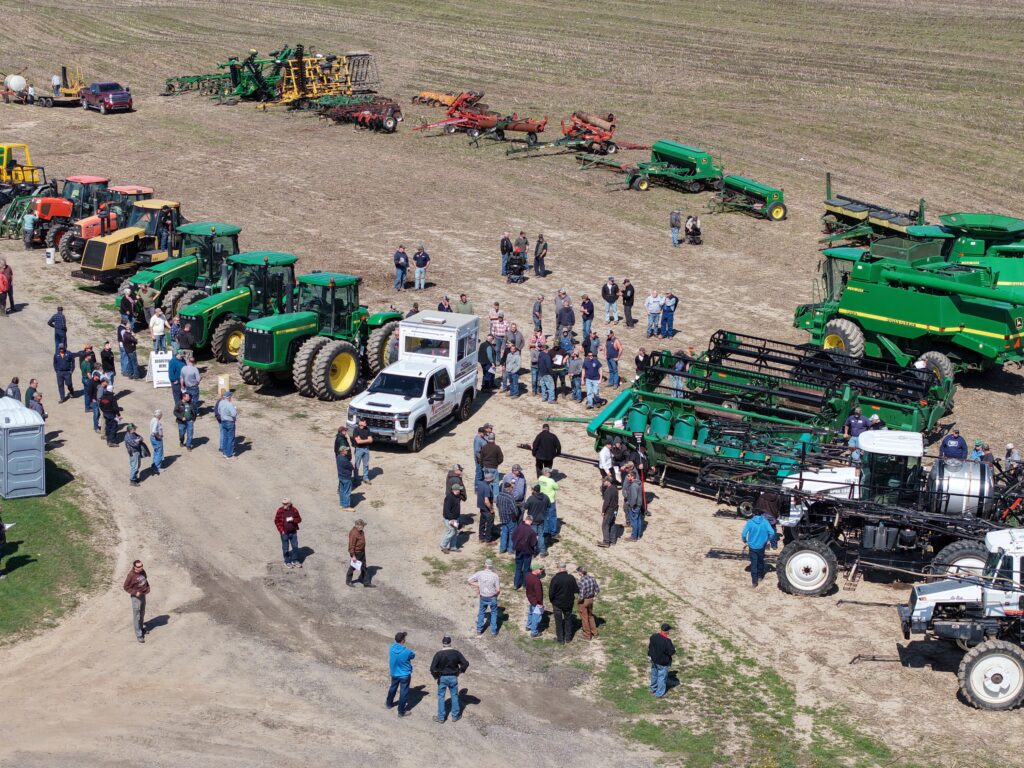
Depending on the operation, a farm auction may include:
- Tractors
- Combines and harvesting equipment
- Planting equipment
- Tillage equipment
- Sprayers
- Skid steers and loaders
- Trucks and trailers
- Attachments
- Grain-handling equipment
- Livestock equipment
- Shop equipment and tools
- Parts and supplies
- Recreational vehicles
- Farm collectibles
- Agricultural real estate
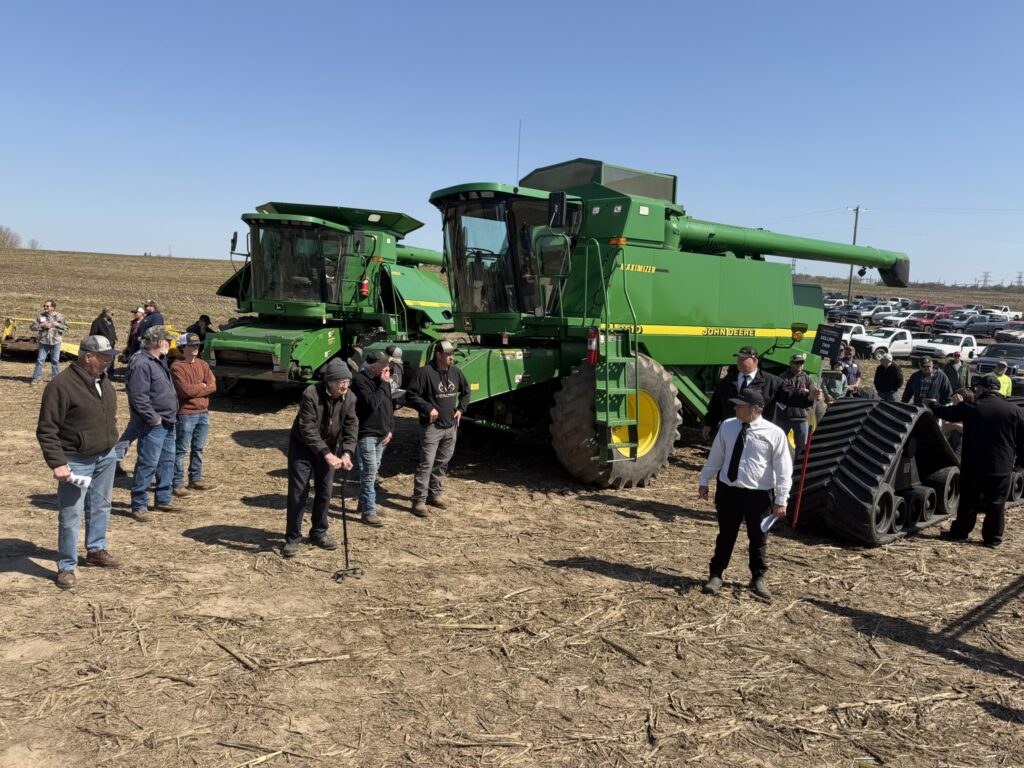
A farm auction can be conducted as a traditional live auction, an online auction or a combination of live and online bidding.
The right method depends on the seller, the equipment, the location and the audience most likely to buy those assets.
When Does Having a Farm Auction Make Sense?
Farm auctions are commonly used when an owner needs to sell a substantial amount of equipment within a defined period of time.
Some of the most common reasons include:
Farm Retirement
After decades of farming, an owner may be ready to retire and liquidate tractors, implements, harvesting equipment, vehicles and other assets.
A retirement auction gives buyers an opportunity to purchase equipment directly from an established farming operation while giving the seller a structured method for selling numerous assets.
Estate Settlement
When farm assets are part of an estate, families may need an organized way to identify, market and sell equipment.
Working with an experienced auction company can help simplify that process by creating an inventory, marketing the assets, conducting the auction and coordinating the transaction.
Downsizing or Changing an Operation
Not every farm auction is a complete liquidation.
A farmer may be reducing acreage, changing crops, purchasing newer equipment or eliminating a portion of an operation. Auction can be used to sell only the equipment that is no longer needed.
Partnership or Business Changes
Changes in ownership, partnerships or business structure can also create a need to liquidate agricultural assets.
Selling Surplus Equipment
Farmers do not necessarily need enough equipment for an entire farm retirement auction. Quality individual pieces can sometimes be included in an appropriate consignment, virtual or hybrid equipment auction where they can be marketed alongside equipment from other sellers.
Step 1: Meet with an Experienced Auctioneer
The process typically begins with a conversation.
An auction professional will want to understand:
- Why you are considering selling
- What equipment or property is involved
- Your preferred timeline
- Where the assets are located
- Equipment condition
- Whether there are titled assets
- Whether real estate is involved
- Your goals for the sale
This initial evaluation helps determine the best auction strategy.
There is no single auction format that is right for every farm. A quality auction plan should be built around the assets and the seller—not the other way around.
Step 2: Determine What Should Be Included in the Auction
Once the scope of the sale is established, the equipment needs to be organized. The auction company can help determine how items should be grouped, cataloged and presented.
For major equipment, accurate information is important.
That may include:
- Manufacturer
- Model
- Year
- Serial number
- Engine hours
- Separator hours
- Horsepower
- Attachments
- Options and specifications
- Maintenance information
- Known condition
- Recent repairs or improvements
The more useful information buyers have before bidding, the better prepared they can be to make a purchasing decision. Photos and video also play an increasingly important role, particularly when bidders are participating online.
Step 3: Choose Between a Live, Online or Hybrid Farm Auction
One of the biggest decisions is how bidding will take place.
Live Farm Auction
A traditional live auction brings buyers to the farm or auction location and allows them to bid in person.
Live auctions create an energetic competitive environment and remain an effective method for many farm retirement and equipment auctions.
Online Farm Auction
An online auction allows buyers to review equipment and bid remotely.
Online bidding can dramatically expand the geographic reach of an auction because a qualified buyer does not have to be standing at the farm on auction day.
This is particularly important for specialized equipment. The strongest buyer for a particular tractor, harvester or implement may be located hundreds—or even thousands—of miles away.
Hybrid Farm Auction
A hybrid auction combines elements of both.
Depending on the auction, buyers may be able to attend in person while other bidders participate remotely. Miedema Auctioneering has also conducted agricultural equipment auctions where equipment remains at multiple seller locations while bidding is conducted through online auction platforms.
The goal is not simply to put equipment online. The goal is to determine which auction format gives each asset the best opportunity to reach competitive buyers.
Step 4: Create a Marketing Strategy
An auction does not become successful simply because it has been posted on a website. Marketing matters.
For a farm auction, the marketing strategy should identify the people most likely to have a genuine interest in the equipment being sold.
Depending on the auction, that audience could include:
- Local farmers
- Regional agricultural operations
- Custom operators
- Equipment dealers
- Contractors
- Agricultural businesses
- Livestock producers
- Specialty crop growers
- Equipment exporters
- Buyers throughout the United States
- International buyers for certain equipment
The exact marketing mix will vary by auction. Digital advertising, email marketing, social media, auction platforms, print advertising, direct outreach, signage, photography, video and other methods can all play a role.
The objective is straightforward:
Put the right equipment in front of the right potential buyers before bidding ends.
That is different from simply generating website traffic.
Effective auction marketing should create awareness, interest and competition among buyers who have a legitimate reason to purchase the assets being sold.
Step 5: Give Buyers Time to Research the Equipment
Farm equipment can represent a significant investment.
Serious buyers may want to review photos, specifications, maintenance information and auction terms before bidding.
Whenever possible, an inspection or preview period gives prospective bidders an opportunity to see equipment for themselves.
Buyers should also understand the terms of the auction, including payment requirements, removal dates and the condition under which assets are being sold.
At Miedema Auctioneering auctions, specific terms are provided for each auction, and buyers are encouraged to inspect items before bidding.
Step 6: Auction Day Creates Competition
When auction day arrives, registered bidders compete for the assets they want.
In a live auction, an auctioneer manages bidding in real time.
In an online or hybrid auction, qualified bidders may participate remotely according to the specific auction format.
This competitive process is one of the primary differences between auction and setting an individual asking price.
Instead of determining one price and waiting for someone to accept it, an auction creates a marketplace where interested buyers determine value through competitive bidding.
Step 7: Payment, Removal and Settlement
Selling the equipment is not the final step.
After the auction, payments must be collected and buyers must remove their purchases according to the auction terms.
Depending on the size of the sale, removal may involve everything from pickup trucks and trailers to professional equipment haulers.
A well-organized auction process establishes these expectations ahead of time so both buyers and sellers understand what happens after bidding concludes.
Once the auction has been completed and the applicable requirements have been met, the seller receives settlement according to the auction agreement.
Considering a Farm Auction in Michigan?
If you are thinking about retiring, downsizing, settling an estate or selling agricultural equipment, you do not need to have the entire process figured out before contacting an auctioneer.
That is part of our job.
Miedema Auctioneering has been conducting auctions since 1984 and works with farmers, families and businesses to create customized auction strategies for agricultural equipment and other assets.
Whether the right solution is a live farm auction, online auction, hybrid event or another auction format, our team can help evaluate the situation and determine the best next step.
Contact Miedema Auctioneering to discuss your farm equipment, real estate, questions, timeline and auction options.


